

Jeanne Kelly Credit Coach Services
Stepping into the credit industry after overcoming her own credit struggles, Jeanne Kelly is on a mission to share her hard-earned expertise with you! As a sought-after speaker, podcast host, and author, Jeanne inspires and educates on credit matters. How? Through personalized credit coaching services, exceptional credit education, insightful speaking engagements, engaging podcasts, and valuable resources designed to dissolve stress and pave the way for your journey to success!
Meet Jeanne Kelly
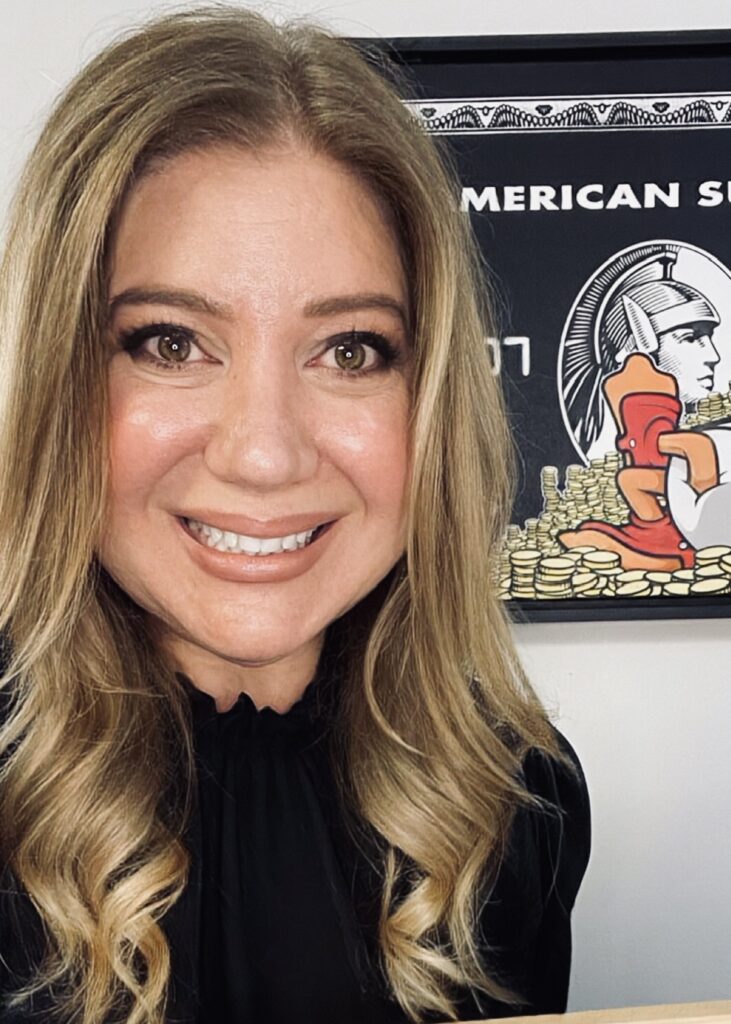
Jeanne Kelly Credit Coach is the founder of The Kelly Group. A highly sought-after credit coach, healthy credit expert, motivational speaker, and author of The Credit Training & The Credit Makeover.
What started as a single decision to pursue a better life for herself and her daughter, has since turned into an empire raising awareness about #healthycredit. Through her passionate programs and accessible online resources, Jeanne has helped thousands reclaim financial freedom with valuable education on credit reporting, identity theft, and achieving a higher credit score.
Her work has appeared in top media outlets including The Today Show, CNN, The Breakfast Club, iHeart Radio, MyFico.com, Huffington Post, The New York Times, Experian, Thrive Global, Credit.com, and more.
If you’re looking to transform your credit story and empower your finances, then you’re in the right place! Jeanne is a trusted, well-respected mentor in the industry who can take your personal dreams and plot the roadmap to get you there…with zero intimidation. She’s certain if she could do it, so can you!
I started my company a little over 20 years ago. I was going through a divorce. I had terrible credit. I had no money and moreover I had no one to help me. As a result I was turned down for a mortgage. After That I realized I needed to understand why as soon as possible, and then fix the problem. Without reservation I dedicated myself to fixing my own credit. In time I then became able to help build healthy credit for my family and friends. Since then I have been helping clients from all over improve their credit scores. With this purpose, I have written two books on building healthy credit and a third is on its way. I have taken charge of my own credit lifestyle and become nationally recognized for credit education and speaking on healthy credit and saving money.
Jeanne Kelly Quoted Or Appeared On




What people are saying about Jeanne Kelly Credit Coach
I don’t know how they do it, but I will never attempt credit repair myself again. Over the years I have had the opportunity to deal with many different, so called, credit repair specialist companies, but until being referred to The Kelly Group, never found one that actually did what they said. Jeanne Kelly Credit Coach and her competent staff are definitely a cut above the rest and would highly recommend them to anyone who was in need of assistance in dealing with the credit industry.
Captain Jeffrey Maxton, USMS
There is so much I could say about the Kelly Group. Of course I should start with the amazing results they have achieved time and again for clients I have referred and for those that have come to me to close transactions only and directly as a result of the improvements in their credit scores which Jeanne Kelly Credit Coach Services has made for them. I could also talk about the friendly and professional manner with which they treat all who work with them from attorneys to mortgage broker, lenders and realtors. With flawless results, I would, and have, recommended their credit repair services to many of my clients. They not only help people achieve their dream of home ownership where they would otherwise be unable to do so but they do it at a reasonable and affordable price.
Keith A. Hathaway, Esq.
When Jeanne Kelly Credit Coach spoke to our girls about establishing and maintaining excellent credit, I was amazed and impressed by how well she related to them, by how much material she covered carefully and at their level, and by how enthralled the girls were by the presentation. Each of our Scouts took away from that session motivation to intelligently maximize financial potential,specific strategies to do so, a clear idea of how to prevent credit problems in the future, and great handouts to refer to at home. How I wish I'd had the opportunity myself, as a teen, to learn from such a class and from such a good teacher, credit repair specialist and role model!
Katherine Varadi, Girl Scouts Troop 10413, New York
I first met Jeanne Kelly Credit Coach when I purchased my first home. Being naive regarding my credit, the group showed me where and how I could improve my credit standing, and how important it was to keep on track. I have since used the group many times throughout the years. The American dream of home ownership would not have been possible without a credit repair specialist. Jeanne herself is genuine, understanding, and most importantly, non judgmental. I highly recommend The Kelly Group Credit Coaching for their outstanding service.
K. Coppola, Monroe, CT
Jeanne Kelly Speaking Engagements
Jeanne Kelly: Your Expert Speaker on Personal Finance, Credit Mastery, and Motivation
Unlock the secrets to financial empowerment and personal growth with Jeanne Kelly, a leading authority in personal finance, credit repair, and motivation. With a wealth of knowledge and years of experience, Jeanne captivates audiences with her engaging speaking style, empowering them to take control of their financial futures and pursue their dreams.